
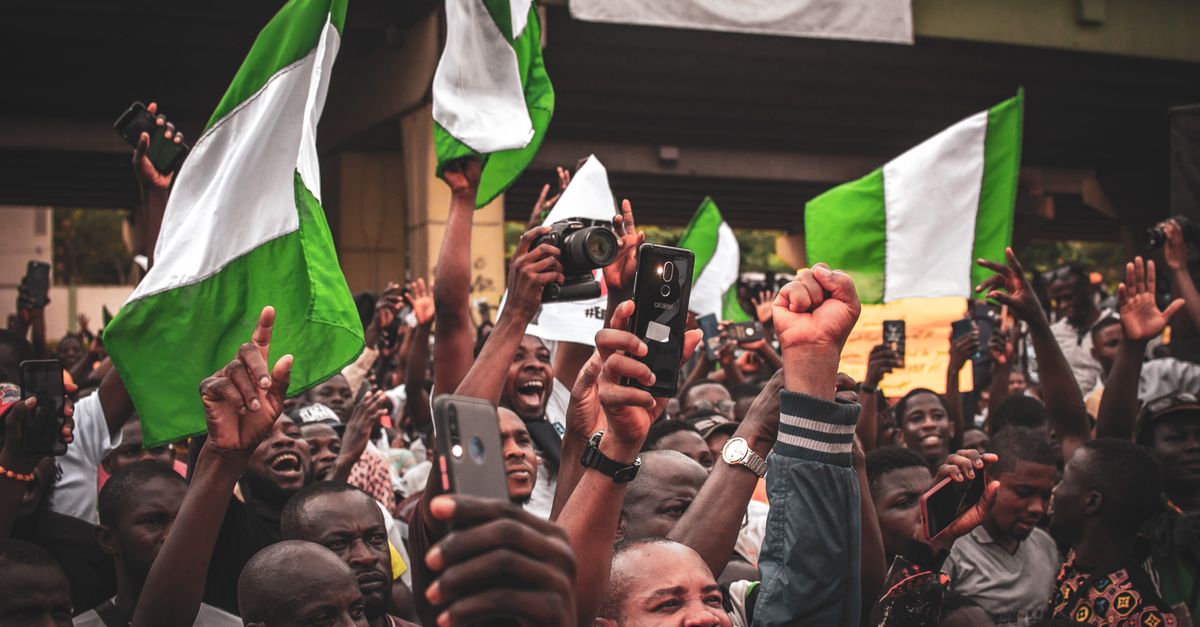
According to an analysis published by the Council on Foreign Relations (CFR), the contest for Lagos state is set to be a central flashpoint in Nigeria's upcoming presidential election in January 2027. The piece, authored by CFR's Douglas Dillon Senior Fellow for Africa Studies Ebenezer Obadare, frames the battle for Nigeria's commercial capital as a clash between President Bola Ahmed Tinubu and his main challenger, Peter Obi, while also delving into long-standing disputes over who truly "owns" the city.
The analysis revisits the shock result of the 2023 election, where Obi, then running under the Labour Party, narrowly defeated Tinubu's All Progressives Congress (APC) in Lagos. Obi secured 582,454 votes to Tinubu's 572,606, a margin of fewer than 10,000 votes. Obadare notes that this outcome was so unexpected that some commentators have speculated, without evidence, that the Tinubu campaign deliberately ceded Lagos to appease Obi's young, urban supporters, known as the "Obidient" movement. The CFR analysis dismisses this theory as implausible, arguing that Tinubu's political and financial empire is built on his control of Lagos, which he governed as its first Fourth Republic governor from 1999 to 2007. "It is difficult to imagine Tinubu agreeing to trade it away in the name of giving succor to his adversaries," Obadare writes.
For the 2027 election, Obadare suggests that Obi, now running under the Nigeria Democratic Congress, will seek to replicate his 2023 success. The analysis identifies several potential sources of support for Obi: his Igbo co-ethnics, who form a large and growing portion of Lagos's population; Lagosians of all ethnicities who resent what they see as the entrenched Tinubu political dynasty; and low-level salaried workers and the urban poor who have been hit hardest by Tinubu's economic reforms. For Tinubu, the analysis states that losing Lagos in 2023 was a first in his political career and a deep personal disappointment. Obadare, citing conversations with those close to the president, writes that Tinubu is expected to "pull out all the stops" to reclaim the state.
However, the CFR analysis argues that the contest is about more than just the two candidates. It is rooted in a deeper, unresolved struggle over the "ownership" of Lagos, tied to questions of identity, citizenship, and belonging in Nigeria. The piece highlights a 2015 incident where the Oba of Lagos, Rilwan Babatunde Akiolu, threatened Igbo traditional rulers, saying that Igbos in Lagos risked "perishing inside the lagoon" if they did not vote for the APC's gubernatorial candidate. Obadare writes that the Oba's remarks exposed a tension where Igbos are treated as traditional subjects rather than full members of the political community.
The analysis notes that advocates for the Igbo community argue that Lagos "belongs to everybody," given their significant contributions to the city's economy. Yoruba residents, meanwhile, see the city as a testament to their cultural pragmatism and liberalism. Obadare, citing research by University of Pennsylvania political scientist Wale Adebanwi, notes that these rival claims to ownership and primacy in Lagos date back to the colonial era. The CFR piece concludes that while the election itself may be a fleeting event, the underlying struggle for precedence and prestige in Nigeria's most dynamic city will persist, and that sporadic violence on election day should not be surprising.
For university students, particularly those from Nigeria or with an interest in African politics, this analysis underscores how ethnic identity, historical grievances, and urban political machines shape electoral outcomes in a major global city. The struggle for Lagos is a microcosm of broader national debates about citizenship and who has the right to claim a stake in Nigeria's economic powerhouse.