
A team of students from Wageningen University & Research has taken second place at the International Genetically Engineered Machine (iGEM) competition in Paris, winning recognition for a biotechnological approach to tackling one of the most stubborn environmental pollutants.
The team, named Triton, focused on trifluoroacetic acid (TFA), a small-molecule PFAS compound that originates from certain pesticides and refrigerants. According to Wageningen University & Research (WUR), TFA accumulates in the environment and is extremely difficult to capture or break down using existing methods.
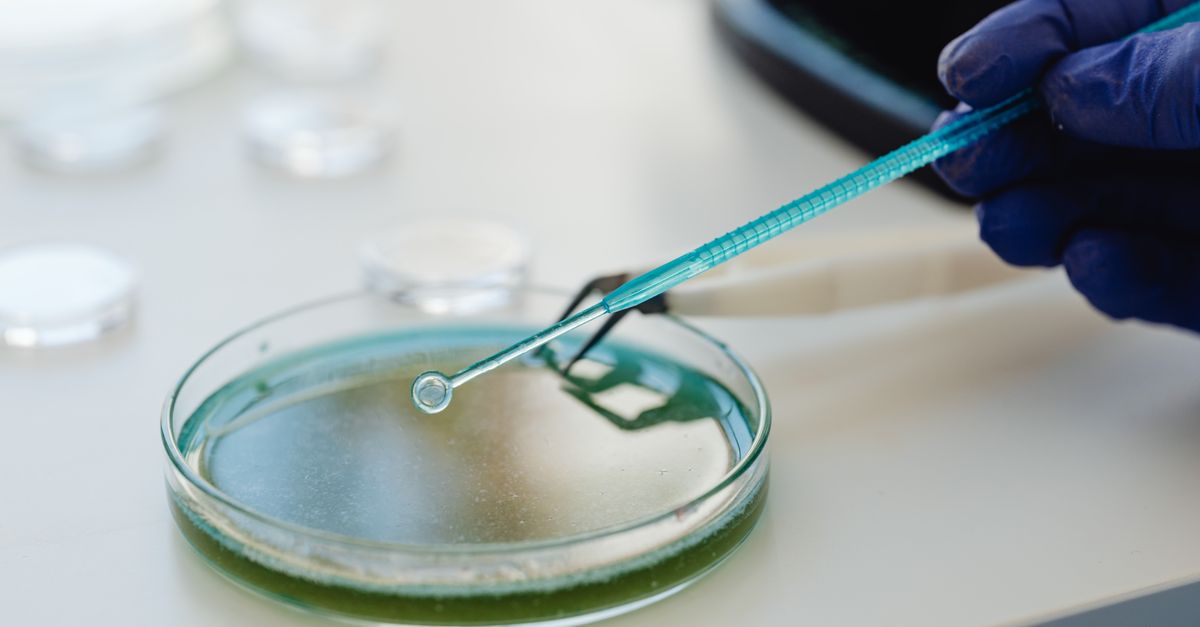
The students designed a protein capable of binding TFA and instructed bacteria to produce it. They also used laboratory evolution to train the model bacterium E. coli to break the carbon-fluorine bond, the highly persistent chemical bond characteristic of PFAS. In addition, they engineered the bacteria to produce a fluorescent protein that can be inhibited by TFA, creating a genetic indicator that visualises the amount of TFA present. The more TFA molecules the bacteria detect, the lower the fluorescence.
So far, the team has achieved a proof of concept for a slightly larger PFAS molecule, according to WUR.
The students also improved an existing chemical detection method for fluoride, which is released when PFAS break down. Team supervisor Stefan Hoffmann, an assistant professor at WUR, explained that the existing method did not work optimally and was not very reliable. The Wageningen students optimised the test, making it more sensitive and more accurate, which earned them the award for best measurement method.
Beyond the second-place finish, Team Triton also won awards for best presentation, best bioremediation project and best measurement method.
Hoffmann said he was delighted with the team's success. "We are very proud of this year's team. It is the fourth time Wageningen has taken second place at iGEM. That is quite an achievement. Not only because iGEM is a major competition, but also because this result shows that WUR is an important player in synthetic biology. The project has produced promising results that could help advance the field."
iGEM is the world's largest competition in synthetic biology, where student teams develop their own solutions to societal challenges. The competition involves more than laboratory experiments: from the early stages, students are encouraged to consider the societal impact and economic feasibility of their ideas. This year, 463 teams from around the world took part, more than ever before. TU Delft took first place, with WUR finishing as runner-up in the overgraduate category.
For university students interested in synthetic biology or environmental biotechnology, the iGEM competition represents a high-profile platform to develop real-world solutions. Wageningen's consistent performance — now a fourth second-place finish — signals that the university is a significant player in the field, and the team's work on PFAS degradation could inform future research and industrial applications for water treatment.