
The Texas A&M University Space Institute, located just outside the gates of NASA's Johnson Space Center, held its grand opening on November 20, 2026, according to a university news release. The facility, backed by a $200 million investment from the Texas Legislature, is designed to become a hub for deep-space research and education.
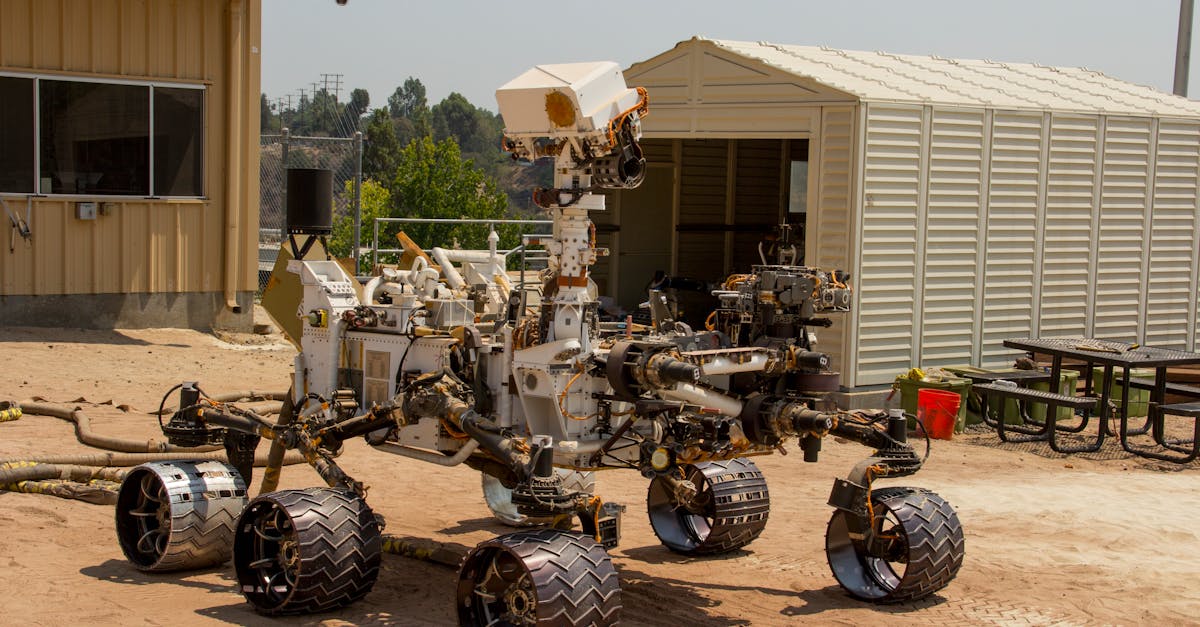
At the heart of the institute are simulated lunar and Martian landscapes, each large enough to hold a football field. Researchers selected rock from a quarry near Uvalde, Texas, for the moon simulation after extensive testing confirmed it was an accurate model. Rock from New Mexico was chosen to represent the Martian surface. These environments are intended to help researchers test technologies for future missions, including instruments, robots, landers and deployment systems.
The institute is led by former NASA astronaut Dr. Nancy Currie-Gregg as director, with former NASA engineers Dr. Robert Ambrose and Bill Bluethmann serving as associate and assistant directors, respectively. The facility also includes 10 research bays available for lease by academic, industry and government partners. AstroLab and Intuitive Machines have already signed leases, the university reported, with several other agreements in final stages. Two bays are reserved at no cost for Texas universities; faculty, researchers and student groups can submit a one-page proposal to use them, with an executive committee from the Texas Aerospace Research and Space Economy Consortium (TARSEC) reviewing applications.
Rather than pre-installing specialized utilities in every lab, the building features a central routing corridor that allows tenants to customize their spaces as technologies evolve. Behind the institute, an outdoor concrete area equipped with power and ethernet connections — described by Ambrose as a "technical RV park" — will let researchers bring in mobile setups such as sterile clean rooms or other specialized equipment. The institute will also provide rental spacesuits to add realism during experiments on the simulated landscapes.
For students, the facility offers direct exposure to real-world space research alongside NASA partners and industry leaders. Texas A&M President Dr. Susan Ballabina said in the release that students will learn alongside world-class researchers while helping solve practical challenges. Currie-Gregg emphasized that the next era of exploration will be led by engineers being trained today.
Chancellor Glenn Hegar of the Texas A&M University System said the institute positions Texas at the forefront of the growing space economy and strengthens the state's role as a national leader in innovation. Robert L. Albritton, chairman of the system's Board of Regents, noted that companies developing next-generation aerospace technologies increasingly seek partners that can provide both research excellence and a trained workforce.
Ambrose said the facility is designed to accommodate research needs that may emerge over the next century. "We have no idea what space research may look like in 100 years," he said. "So rather than limiting what can be done in these research spaces, we decided to keep them simple so they can be customized by researchers — both now and in the future."