
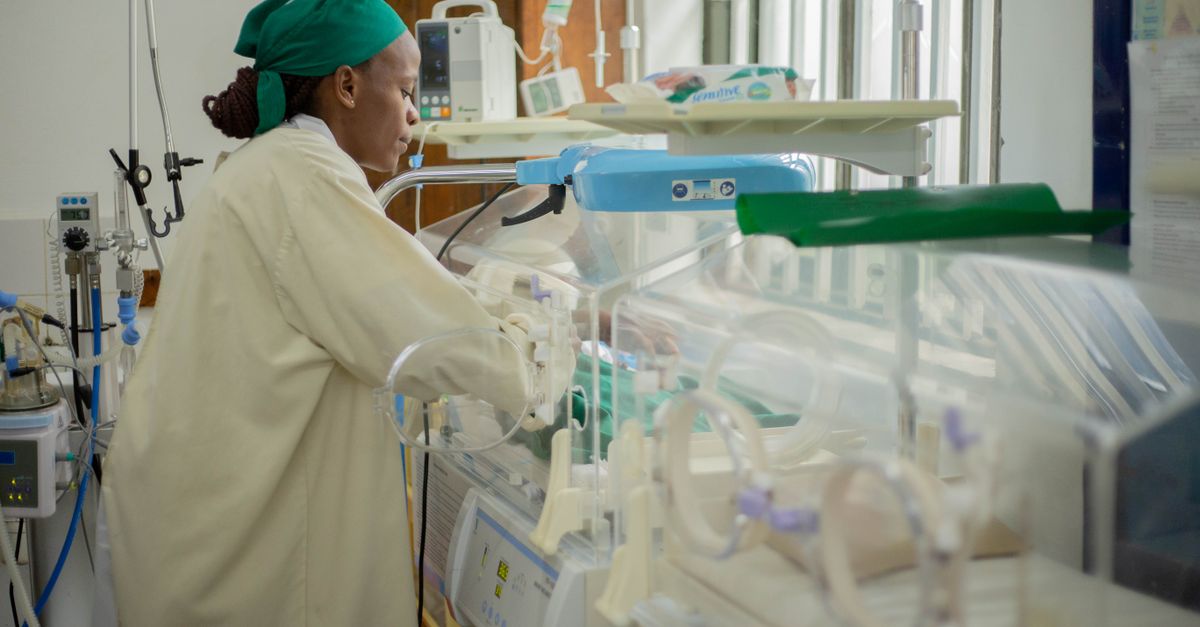
According to a research review published by Karolinska Institutet, researchers at the Department of Women’s and Children’s Health are working to understand why some children born extremely preterm — before 28 weeks of pregnancy — develop better than expected, despite their early start in life. While more of these children now survive, their later outcomes vary greatly, with some facing difficulties in thinking, motor skills, behaviour, emotional regulation, social relationships, or mental health, often not becoming apparent until later in childhood.
The review, published in The Lancet Child & Adolescent Health on 13 November 2026, argues that the brains of extremely preterm children should not be viewed solely as damaged or vulnerable. Instead, the researchers describe them as systems that continue to develop and adapt after birth, with a strong capacity for recovery. Brain development after preterm birth is shaped by multiple factors simultaneously: care in the neonatal unit, early sensory experiences and relationships, the family’s situation, and the surrounding society.
“We want to understand why children exposed to a seemingly similar degree of preterm birth can still follow different developmental pathways. Which early changes in brain development are important, and which can be influenced,” said Nelly Padilla, associate professor at the Department of Women’s and Children’s Health, in a statement from Karolinska. “Why do some children do better than expected despite a high biological risk in the newborn period? And which biological, family, environmental and care-related factors can protect the brain while it is still developing?”
The research is conducted within Professor Ulrika Ådén’s group, which studies brain development and long-term outcomes after extremely preterm birth. The group combines data from the neonatal period with repeated imaging of the brain’s structure and function, computational analyses of how brain networks are organised, assessments of children’s development, and information about family and socioeconomic circumstances.
A particular focus is understanding vulnerability and resilience — why some children develop difficulties while others do better than expected despite high biological risk early in life. In the long term, the researchers hope to identify risk and protective factors earlier, so that children and families can receive more personalised and early support. The aim, Karolinska reported, is not only better cognitive outcomes, but also better relationships, participation, and quality of life for the children.
For university students studying medicine, psychology, neuroscience, or public health, this research highlights how early-life factors — including neonatal care, family environment, and socioeconomic conditions — can shape developmental trajectories. It also underscores the growing importance of interdisciplinary approaches that combine brain imaging, computational modelling, and social data to understand complex health outcomes. Students interested in paediatric research or developmental psychology may find this line of inquiry relevant to future career paths in clinical care, early intervention, or health policy.
The review was published online on 13 November 2026 in The Lancet Child & Adolescent Health (doi: 10.1016/S2352-4642(26)00245-2).