
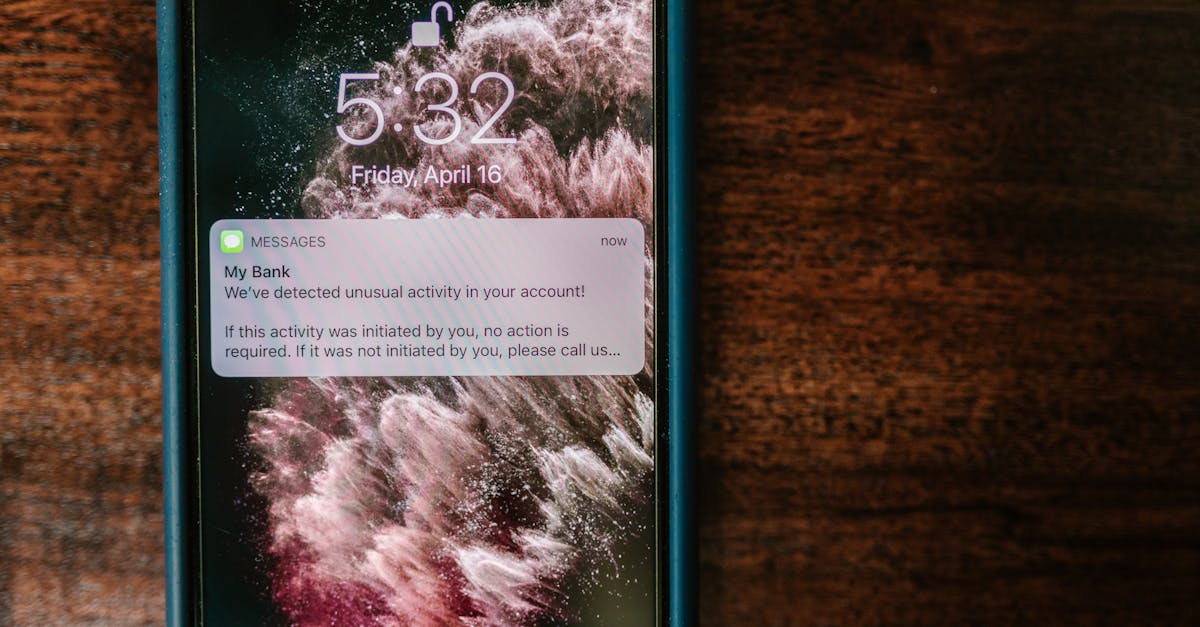
A new study from Griffith University has identified the specific language patterns scammers use in text messages to trick recipients, offering clearer warning signs for those most at risk. The research, published in Humanities & Social Sciences Communications, compared scam text messages with genuine communications from commonly impersonated organisations to pinpoint differences between fraudulent and legitimate messages.
Dr Desiree Kawabata from the School of Humanities, Languages and Social Science led the analysis, which focused on the words and grammar of phishing messages. According to Griffith News, the team found that scam messages regularly use commands such as 'verify', 'update' and 'confirm', often combined with language suggesting negative consequences if no action is taken.
"One of the clearest differences was time pressure," Dr Kawabata said. "More than half of the scam messages contained phrases such as 'immediately', 'now' or 'within 24 hours', while none of the legitimate messages used this kind of urgent language."
The research revealed that many phishing messages did not simply ask for information; they framed compliance as necessary to avoid a problem, such as losing access to an account or missing an important notification. This approach, Dr Kawabata explained, supports common social engineering tactics including urgency, authority, and pressure to comply.
The findings could be particularly useful for groups who face additional challenges identifying scam messages, including older adults and people from non-English-speaking backgrounds. "Existing scam warnings may tell people to look out for spelling mistakes, suspicious links and signs of urgency, but they do not always show what those warning signs look like in real messages," Dr Kawabata said. "By identifying these patterns, we can give people more practical examples of what to watch out for."
For university students, who frequently receive official-looking messages about account updates, verification requests, and deadlines, the study offers a practical framework for distinguishing genuine communications from scams. The research suggests that any message demanding immediate action with phrases like 'verify now' or 'update within 24 hours' should be treated with suspicion, as legitimate organisations rarely use such language.
The paper, titled 'Account suspension. Verify now: using systemic-functional linguistics to improve phishing text advisories for vulnerable groups', was published in Humanities & Social Sciences Communications and aligns with UN Sustainable Development Goals on reducing inequalities and promoting peace, justice, and strong institutions.
Dr Kawabata is a Scholarly Teaching Fellow in the School of Humanities, Languages and Social Science at Griffith University. The research was authored by Dr Kawabata and reported by Amy Ruse for Griffith News.