
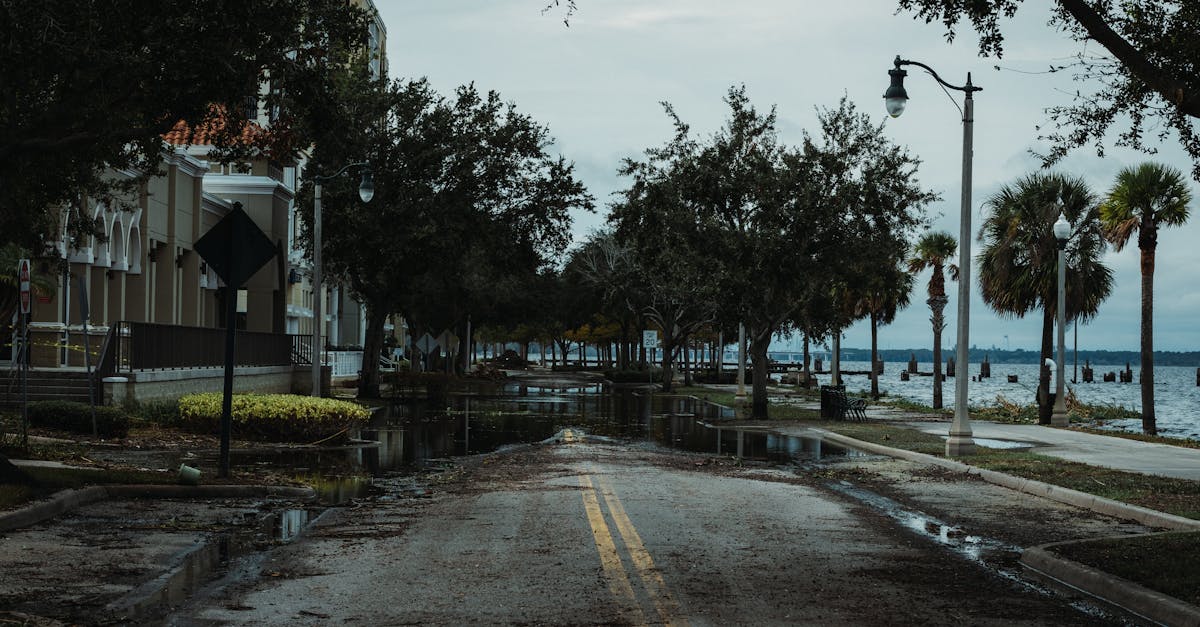
The European Environment Agency (EEA) has published new data showing that weather- and climate-related extreme events caused an estimated EUR 920 billion in direct economic losses across the European Union between 1980 and 2025. According to the agency's latest indicator, more than EUR 270 billion of that total — nearly a third — occurred in the last five years alone, from 2021 to 2025.
The figures, released on 16 November 2026, cover direct losses only. They do not include indirect economic effects such as lost productivity, reduced GDP, environmental damage, or impacts on human health. All values are expressed in 2025 euros.
The EEA noted that 2026 has already been a year of heavy losses from storms, heatwaves, and droughts, and the year is not yet over. As extreme events are expected to intensify with climate change, the agency warned that losses are likely to keep rising.
Floods accounted for 44% of all losses between 1980 and 2025. Climatological events — including drought, cold spells, and frost, but excluding heatwaves and wildfires — and meteorological events such as storms and lightning each contributed about a quarter of the total. Wildfires, hail, and heatwaves together made up roughly 5% of direct economic losses.
A small number of catastrophic events drove most of the damage. The EEA found that 5% of climate-related events with the largest losses were responsible for 63% of total losses, and 1% of events caused 31% of losses.
Losses varied significantly across EU member states. In absolute terms, Germany, Italy, and France recorded the highest economic losses over the 45-year period. When adjusted for population, Slovenia, Spain, and Luxembourg had the highest losses per capita. By land area, Slovenia, Belgium, and Luxembourg were the hardest hit.
The EEA also highlighted a major gap in insurance coverage. Across the EU, less than 20% of total losses were insured between 1980 and 2025. That share varied widely by country: in Bulgaria, Cyprus, and Romania, less than 2% of losses were covered, while in Denmark and Luxembourg, the insured share exceeded 60%.
The data draws on the EEA's indicator on economic losses from weather- and climate-related extremes in Europe. The agency's first European Climate Risk Assessment (EUCRA) previously concluded that climate risks are accelerating and that cascading risks could create system-wide challenges for entire societies. EUCRA estimated that at 3°C of global warming, annual losses could reach at least EUR 175 billion for the EU and the UK combined.
The European Commission presented its EU Framework for Climate Resilience in October 2026, which includes a proposal for a European Climate Resilience Law and a set of practical tools. The framework aims to shift the EU from reacting to disasters toward anticipating climate impacts and preventing avoidable damage.
For university students across Europe, the findings carry direct implications. Those studying in countries with low insurance coverage — such as Bulgaria, Cyprus, and Romania — may face greater personal financial risk from extreme weather events, whether through damage to rented accommodation, disruption to studies, or increased living costs. Students in fields like environmental science, public policy, engineering, and economics will find the data relevant to their coursework and future careers, as the EU's push for climate resilience is likely to create demand for graduates skilled in risk assessment, adaptation planning, and sustainable infrastructure.