
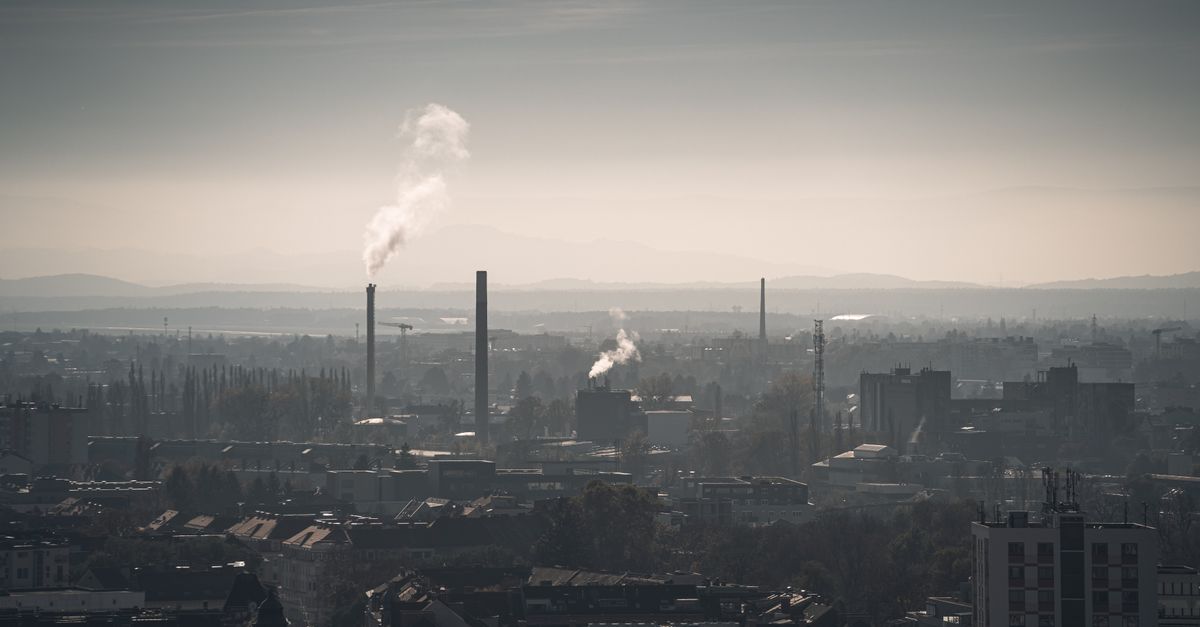
According to a press release from the European Environment Agency (EEA) published on 23 November 2026, an estimated 222,000 premature deaths in the European Union in 2024 were linked to long-term exposure to fine particulate matter (PM2.5) at concentrations above the World Health Organization (WHO) guideline level of 5 micrograms per cubic metre.
The figure represents a continuation of a long-term decline in deaths attributable to this key air pollutant, the EEA said. Between 2005 and 2024, premature deaths linked to PM2.5 concentrations above the WHO guideline fell by 57.2% across the EU. That decline means the bloc is already on track to meet the target set under its 2030 zero pollution action plan, which aims for a 55% reduction in such deaths compared with 2005 levels.
However, the EEA cautioned that further measures will be needed to sustain progress and reach the 2050 ambition of reducing air pollution to levels that are no longer harmful to human health.
Eastern and south-eastern European countries continue to bear the heaviest health burden from air pollution, the agency reported, due to persistently high pollution levels in those regions.
The reduction in mortality over the past two decades has been driven by policies at international, EU, national and local levels, the EEA said. These include the EU Ambient Air Quality Directives and the National Emission Reduction Commitments Directive. Between 2005 and 2024, total emissions of primary PM2.5 — particles emitted directly into the atmosphere — fell by 42.5%.
Emissions from residential heating, the largest single source of primary PM2.5, dropped by 35.1% over the same period. Significant declines were also recorded in the transport sector (61.5%) and industry (47.3%). Emissions of precursor gases that contribute to the formation of secondary PM2.5 in the atmosphere also fell sharply: sulphur dioxide (SO2) by 85.7%, nitrogen oxides (NOx) by 54.3%, and ammonia (NH3) by 18.0%.
Beyond premature deaths, the EEA noted that air pollution also causes significant illness and reduced quality of life. For some conditions, such as asthma, the primary impact is poorer respiratory health rather than mortality — which is why the EEA no longer includes an asthma mortality estimate. For others, including ischemic heart disease and lung cancer, the main health impact remains premature death.
The EEA also publishes burden-of-disease calculations for nitrogen dioxide (NO2) and ozone (O3) exposure.
Methodology change
The estimated number of attributable premature deaths increased for 2024 — and for all previous years in the dataset — because of an update in the methodology used to calculate the estimates, the EEA explained. The change reflects the use of updated relative risks published by the WHO. The new calculation also includes people aged 25 and older, whereas the previous methodology only covered those aged 30 and above. These two modifications result in higher annual premature death estimates, but the relative changes compared with the 2005 baseline have remained broadly consistent.
The EEA has been estimating the burden of disease attributable to air pollution since 2014. For this year's assessment, it drew on the recommendations in the 2025 WHO report "Health risks of air pollution in Europe: HRAPIE-2 project."