
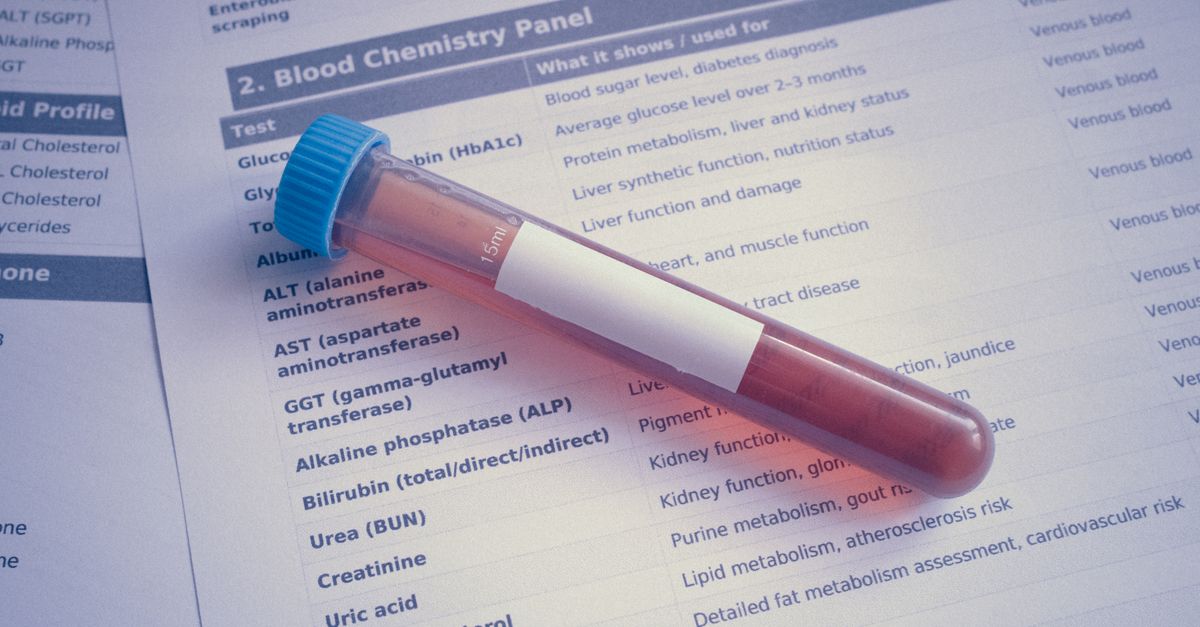
A blood test that costs less than €100 could help primary care doctors identify patients with progressive fatty liver disease much earlier than current methods allow, researchers at the University of Helsinki and HUS Helsinki University Hospital have reported.
The test is designed for patients whose standard lab results already suggest an elevated risk of steatotic (fatty) liver disease. According to the study, using the test in primary healthcare — rather than only in specialist clinics — could shorten the time between a patient's first visit and a definitive risk assessment, allowing treatment to start sooner.
Docent Sami Qadri, a researcher at HUS and the University of Helsinki, said the change is about more than just a new diagnostic tool. "This is not just a question about a new test, but improving the care pathway," Qadri said. "The blood test can already be taken when visiting primary healthcare. This will allow obtaining information on the disease and making a more accurate risk assessment more quickly, meaning that intensive treatment can be initiated sooner."
Qadri added that the current system leads to many unnecessary referrals to specialist care and long waiting times, while the majority of patients with the disease are never identified and receive no follow-up care.
Fatty liver disease is widespread in Finland — the university estimates that one in three Finns has the condition, and the numbers are rising. The main driver is increased abdominal obesity, though alcohol use is also a significant factor, especially when combined with obesity. Because the disease has no symptoms for years, as many as 95% of people who have it do not know they are affected.
If left untreated, the liver can become permanently scarred, leading to cirrhosis. For many patients, the first symptoms appear only when liver function begins to fail, at which point a liver transplant may be the only option.
The new blood test allows doctors to assess the likely course of the disease and whether treatment is needed. When combined with imaging in specialist care, the test can often determine the stage of the disease and the need for medication without a biopsy. Biopsies are expensive and carry a small risk of serious complications.
The researchers emphasised that the test is not intended for population-wide screening. Instead, it is a risk-assessment tool for patients already flagged by routine lab work. It is already in use at HUS laboratories, the university reported.
The findings come from the LITMUS project, a large international collaboration involving 53 university and business partners, including the University of Helsinki. The project was funded by the European Innovative Medicines Initiative 2 Joint Undertaking.
As part of the project, researchers compared imaging methods, standard blood tests, and more expensive specialised tests for detecting advanced steatotic liver disease. They centrally assessed biopsies and biomarkers from roughly 1,500 individuals, which the university said made the comparison unusually reliable.
During the project, the team also identified another promising patented test that measures several blood proteins and predicted the risk of liver scarring surprisingly well. However, that test is not yet available for clinical use and requires further research and a price reduction before it could be adopted.
Qadri said the goal is to bring the new findings into Finland's Current Care Guidelines for steatotic liver disease, which are scheduled to be updated at the end of the year. "This project is an excellent example of how research benefits patients in the form of increasingly better diagnostics and therapies," he said.
The study was published in The Lancet.