
A team from Western Engineering has created a set of 3D-printed feeding puppets designed to help orphaned baby raptors learn to associate food with their own species rather than with humans, according to Western News. The four puppets — modelled after a great horned owl, merlin falcon, red-tailed hawk and American kestrel — will be used at Salthaven Wildlife Rehabilitation and Education Centre in Mount Brydges, Ontario, when the next baby season begins.
Brian Salt, founder of Salthaven, told Western News that birds learn survival skills by watching one another, and that without that connection their chances of making it in the wild are slim. The puppets are meant to preserve that link by giving young birds a familiar face at feeding time. Caregivers can offer food through the puppet’s beak while keeping their hands hidden, and recordings of parent bird calls add to the realism.
“Feeding them with a puppet, it takes away that human element and allows them to relate to their own kind a whole lot better,” Salt said. “It increases their chances of survivability in the wild substantially.”
Previously, staff at Salthaven wore reflective masks and gowns to hide their human shape during feedings. The centre also had a basic great horned owl puppet, but feeding required reaching around its face. The new designs allow feeding forceps to pass through the head and out beneath the beak, making the process smoother and more natural for the birds.
The project grew out of an existing partnership between Western Engineering and Salthaven. Earlier, a capstone team designed 3D-printed leg splints for injured Canada geese and mallard ducks, and Salthaven now produces those splints itself using a donated 3D printer. That collaboration led to the puppet project.
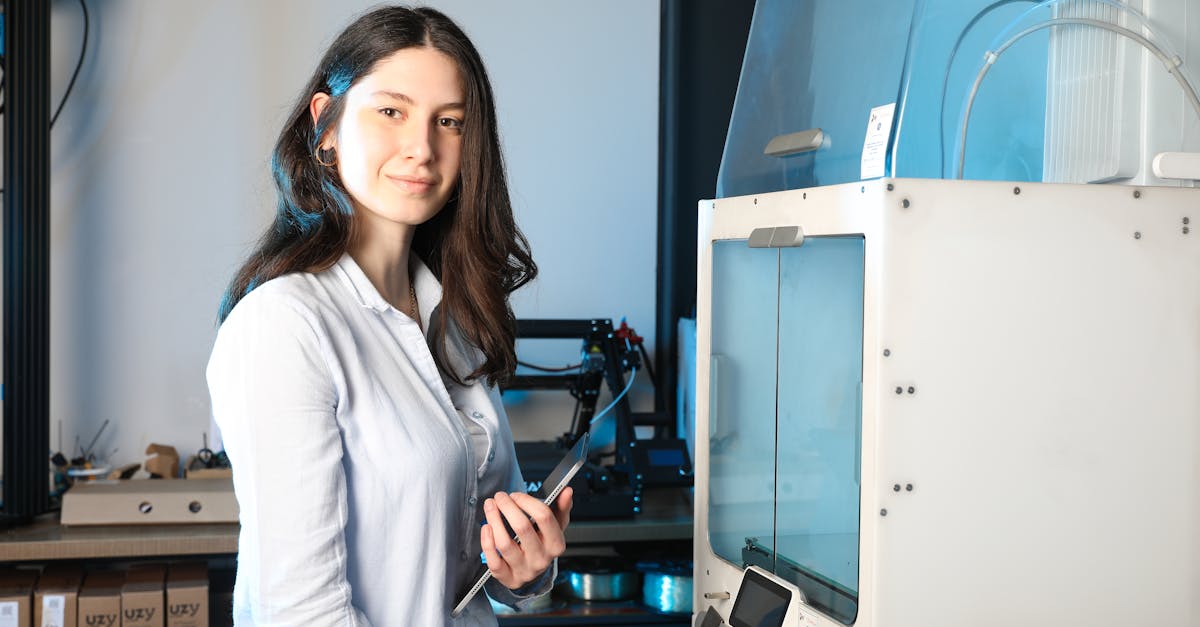
Joel Sierra, an undergraduate student from Lima, Peru, designed and printed the puppet heads while at Western as a visiting researcher, incorporating feedback from Salt. A local artist then painted the heads and canvas sleeves to match each species. Salthaven also received the digital design files so it can print replacement heads as needed.
Ryan Willing, a professor in Western’s department of mechanical and materials engineering who supervised both projects, said the work gives students a chance to apply engineering skills to real-world wildlife challenges. “From designing 3D printable splints for waterfowl, to creating realistic bird head puppets for feeding fledglings, it’s wonderful to watch students spread their wings and apply their engineering expertise to solve challenging real-world problems impacting wildlife in our local communities,” he told Western News.
For university students interested in engineering, conservation, or hands-on community partnerships, the project illustrates how technical skills can be applied outside traditional settings. The collaboration also shows how a single donated piece of equipment — a 3D printer — can enable a wildlife centre to produce its own medical and feeding tools, reducing dependence on external suppliers.