
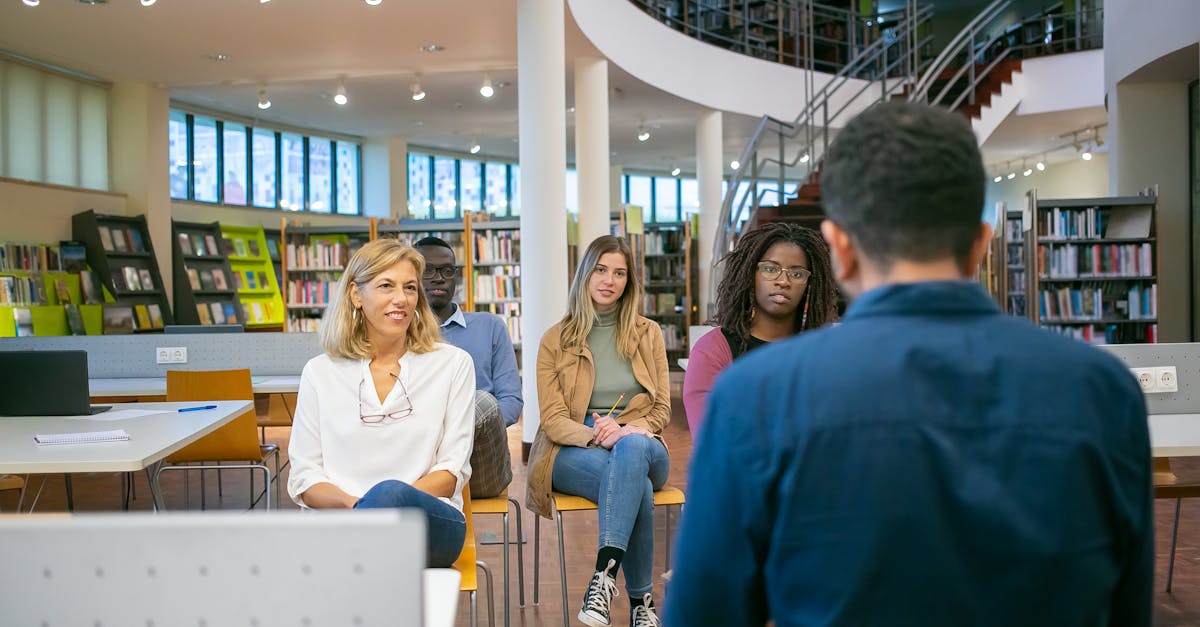
According to a University of Alberta Folio article, a course called Walls to Bridges (W2B) is offering students a transformative experience by bringing together campus-based and incarcerated learners in the same classroom. Offered annually since 2018 through the Faculty of Native Studies, the program creates educational partnerships between post-secondary institutions and correctional systems, aiming to lower barriers, challenge stereotypes and build relationships, said Dr. Nancy Van Styvendale, the program's coordinator at the U of A.
"In general in society, we are asked to turn away from people who are warehoused in prison, and not think too deeply about their humanity," Van Styvendale told Folio. "Through W2B, we're building bridges and solidarities between people on the outside and people on the inside; it's about how we're coming together to learn from our differences, but also understand our similarities and connect in that way."
The course, which is for credit, gathers students from the university with classmates from the Edmonton Institution for Women. Together, they explore the history of Indigenous prison newsletters created by the Native Brotherhood/Sisterhood Movement, grassroots groups that emerged in the 1970s to advocate for the rights of incarcerated Indigenous people. Using circle teaching grounded in ceremony and supported by elders, the class reflects on questions about what has or hasn't changed in the system.
"Incarcerated students in particular are able to share from their own lived experience, which deepens the knowledge for everyone in the class," Van Styvendale said.
As a final project, students work together to produce issues of a newsletter called The Conditional Release, featuring their own writings, artwork and perspectives. Van Styvendale noted that the newsletter amplifies the voices of people in prison, allowing them to express their experiences, challenges and ways they are overcoming them.
Tricia Cardinal, a Native studies student who took the course, described it as humbling and unexpected. "Within the first few weeks, Walls to Bridges had begun to unsettle everything I thought I understood about learning," she told Folio. "It humbled me and placed me somewhere I had not expected to be: vulnerable, emotional, tender and, unexpectedly, held."
For Cardinal, the coursework became deeply personal, helping her grieve her late brother, who had faced significant hardships. "As I read the old newsletters, I kept hearing echoes of him; the writers had found their voice and in so doing were finding themselves, to be seen as more than the labels placed on them," she said.
The class also emphasized wâhkôhtowin, a Cree word expressing relationality, in a setting Cardinal said she didn't expect to find it. "We often think of prisons as places of punishment, separation and isolation. Yet for a few hours each week, that same space became one of listening, creativity, laughter and genuine community-building," she said. "The students 'inside' and 'outside' weren't asked to ignore our differences; we were invited to meet one another as people first, and I realized how much we had in common despite living different lives. That's something a textbook could not have taught me."
Students living inside the institution also reported feeling supported. One student shared, "I learned to be more outgoing and open, and that even though I was shy, to just go for it and get out of my comfort zone. I feel like my group of women, especially the outside students, inspired me to continue my education. They made me feel comfortable and like it was a no-judgment zone."
Another student added, "I'm open to trying new things now. I'm proud that I can actually do things that I'm uncomfortable doing and can say I took a university course."
The course concludes with a small graduation ceremony where each student receives a certificate of completion. Van Styvendale noted that the celebration has a "family vibe" and that relationships often continue afterward. "The special thing is, people get excited about staying in relationships and continuing to support each other," she said. "Women inside the institution feel that, 'OK, there are people at the University of Alberta who are part of my community, and if I'm interested in university, those are the people I can reach out to, to support me in my journey.'"
For Cardinal, the experience has led to ongoing engagement. She has begun working on a writer's guide in Cree for women at the institution and, through the faculty's Light Fires project, sells beadwork crafted by currently and formerly incarcerated artists, with proceeds going back to them. "I don't see the Walls to Bridges just as something I completed," she said. "I see it as the beginning of new relationships, including a new relationship with myself and how I want to show up in the world."
The W2B program has also partnered with incarcerated learners through other U of A courses, Van Styvendale noted, with recent courses taught by faculty from women's and gender studies, education, community service-learning and the university library.