
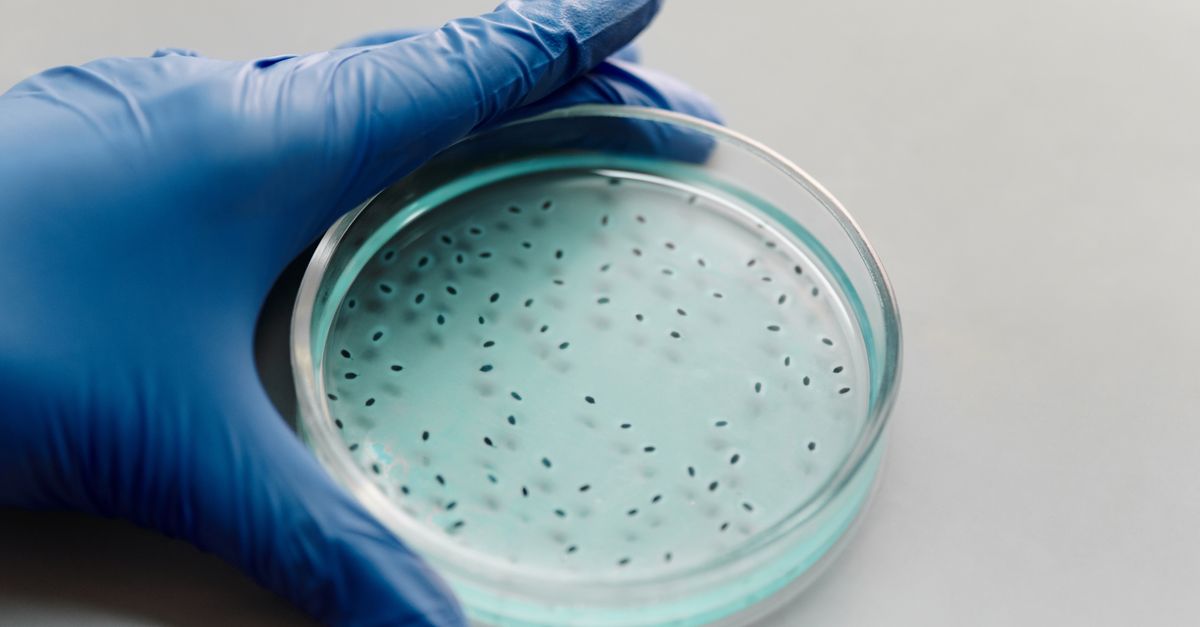
Climate change and other environmental factors may be helping antimicrobial-resistant bacteria and the genes that make them resistant to accumulate and spread in Europe's surface waters and urban wastewater, according to a briefing published on 18 November 2026 by the European Environment Agency (EEA).
The briefing, released on European Antibiotics Awareness Day, examines the public health relevance of antimicrobial resistance (AMR) in surface waters. It stresses that the public health impacts of environmental AMR remain poorly understood and may depend on the type and conditions of exposure, the specific combinations of bacteria and resistance genes, and the susceptibility of the person who becomes infected.
AMR occurs when microorganisms develop the ability to survive treatments that were previously effective against them, leading to the emergence and spread of drug-resistant pathogens in humans, animals and plants. The result is that infections become harder to treat, often leading to longer illnesses, higher healthcare costs and increased mortality. The EEA notes that AMR is a major global public health threat, with a burden comparable to that of HIV and malaria. According to the European Centre for Disease Prevention and Control (ECDC), more than 35,000 people are estimated to die each year from antibiotic-resistant infections in the EU and the European Economic Area.
The EEA briefing calls for an integrated "One Health" approach to tackling the challenge, recognising that human health, animal health and the environment are interconnected. The EU has already taken significant steps in this direction, including an action plan that emphasises robust surveillance and monitoring. EU agencies including the ECDC, the European Food Safety Authority (EFSA), the European Medicines Agency (EMA), the European Chemicals Agency (ECHA) and the EEA collaborate under a Council Recommendation to step up actions against AMR.
A key recommendation from the briefing is the need for reliable, standardised monitoring of AMR in the environment, particularly in surface waters and urban wastewater. Such monitoring would provide comparable data across member states, help identify hotspots, track resistance across the One Health sectors — public health, the environment and food production — and support risk-based prevention strategies.
The briefing is based on a joint report by two European Topic Centres, which are consortia of research organisations that provide scientific support to the EEA.
For university students, particularly those studying public health, environmental science, microbiology or veterinary medicine, the EEA's findings highlight a growing intersection between climate change and infectious disease. The research suggests that environmental factors influenced by a warming climate — such as changes in water temperature and flow patterns — could create conditions that favour the persistence and spread of resistant bacteria. This means that efforts to curb AMR may need to account for environmental changes that are already underway, adding a layer of complexity to public health strategies that students may one day help design or implement.
The EEA briefing does not provide specific new data on the extent of AMR in European waters, but rather synthesises existing knowledge and identifies gaps. It underscores that without standardised environmental monitoring, it will remain difficult to assess the true scale of the problem or to evaluate the effectiveness of interventions.